MARK FRIDVALSZKI |
| →News |
→Text |
| →Bio |
→Download portfolio |
| →Contact |
|
| Works … |
|
| ↓2026 |
→2021 |
| →2025 |
→2020 |
| →2024 |
→2019 |
| →2023 |
→2018 |
| →2022 |
→>2017 |
| |
|
| →Technologie und das Unheimliche |
→Instagram |
| |
|
| →Graphic Design Portfolio (PDF) |
| |
| 2026 |
| |
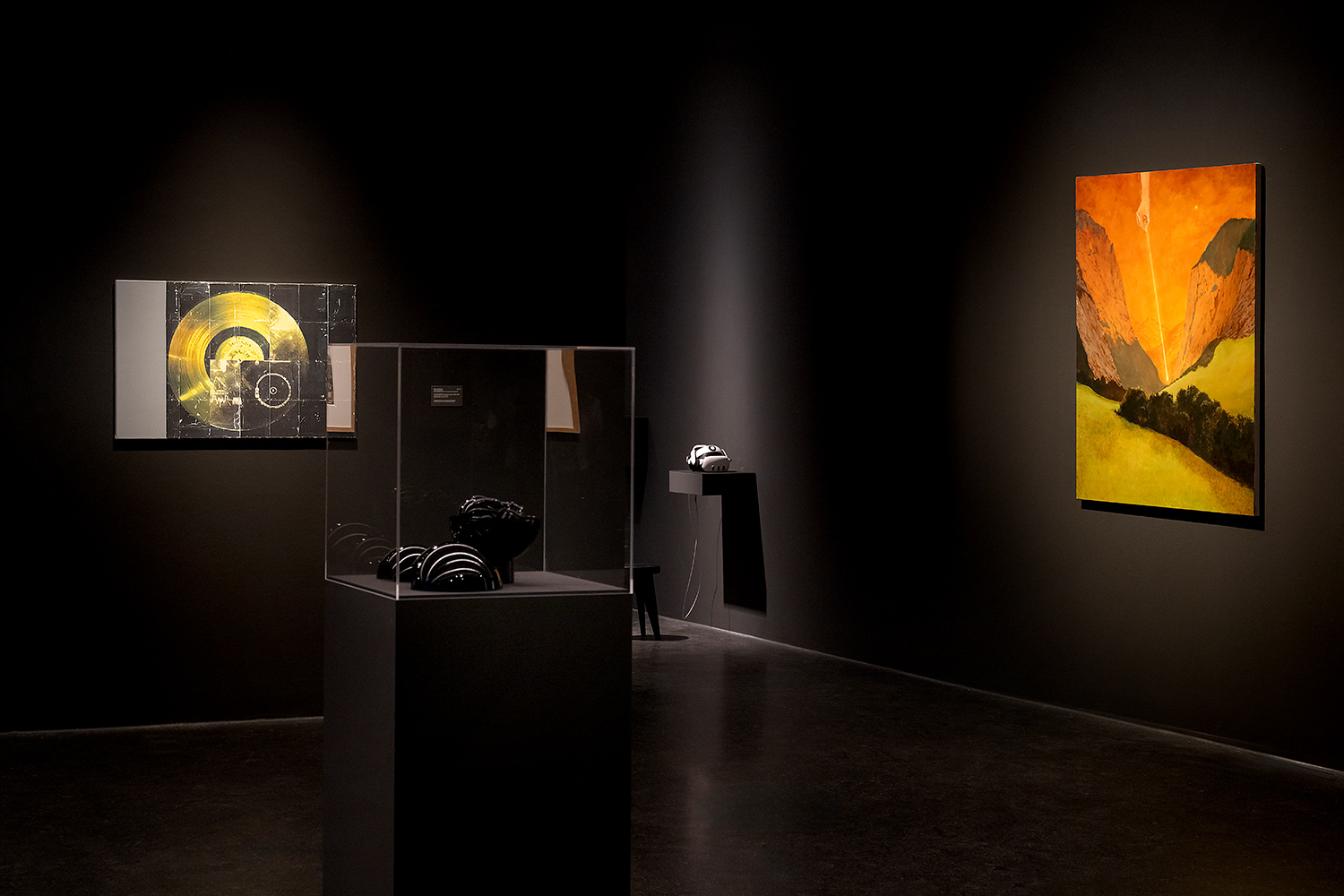
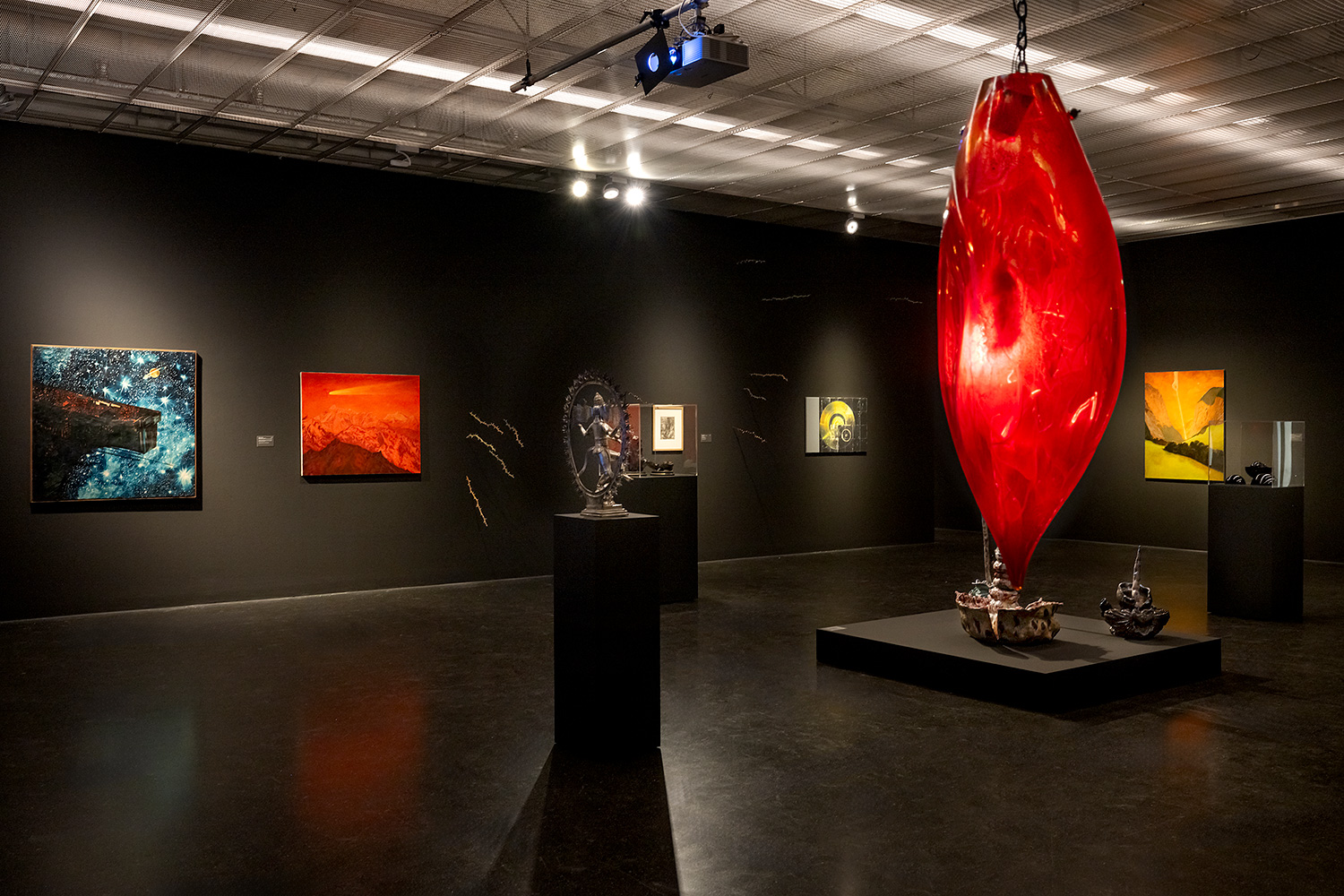
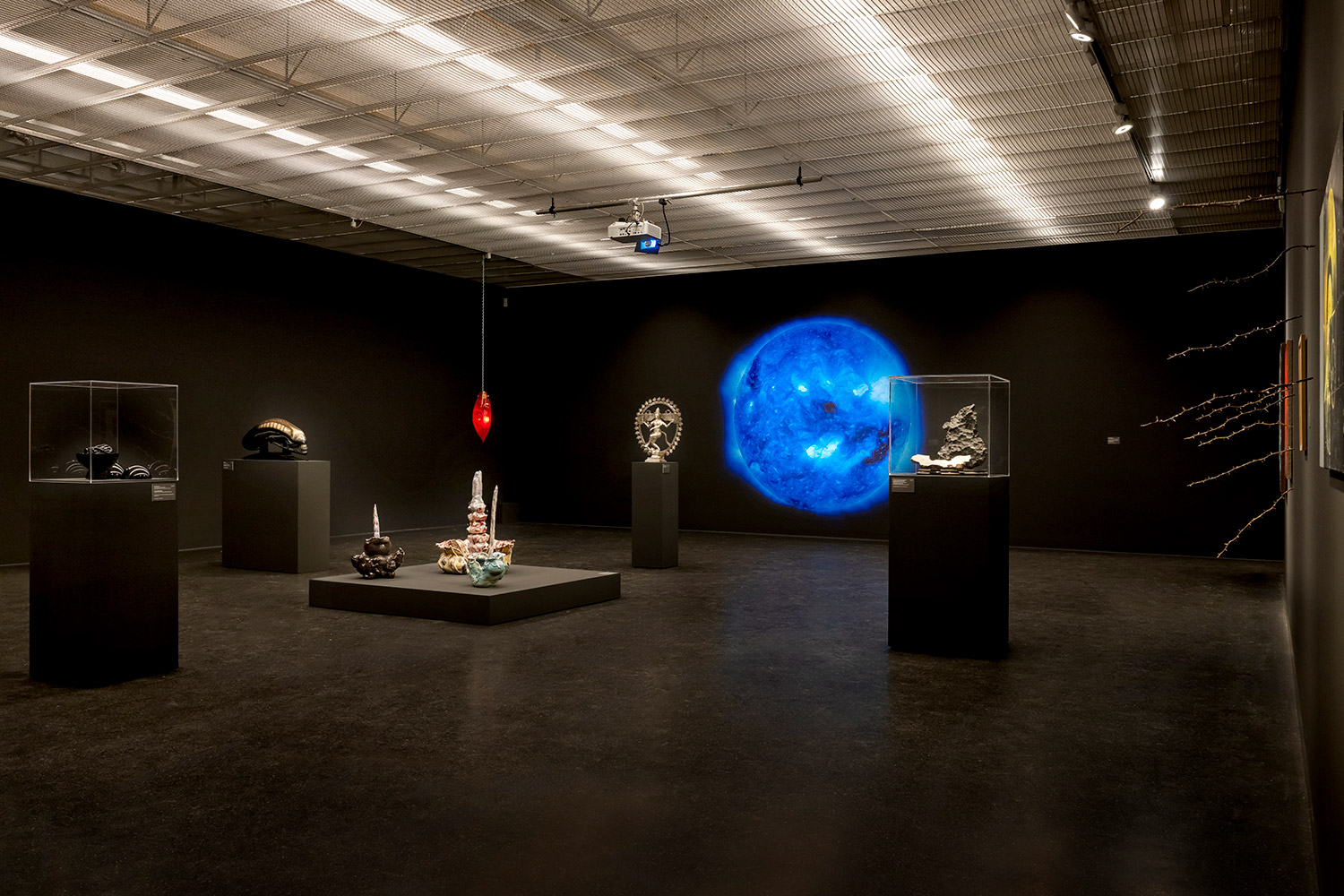
| The World Without Us, group show at Lentos Kunstmuseum, Linz |
Curated by Markus Proschek & Hemma Schmutz
|
| Photos by Violetta Wakolbinger (interior), Clara Sartor (repro) |
| |
As a result of the Enlightenment, science extended the traditional Western conception of space and time into the realms of sheer infinity. The universe became older, larger and colder. This coincided with a sense of unease that mankind was no longer at the centre of the universe, no longer rooted in a world view that was capable of wresting ultimate meaning from history. The threat of an apocalypse gave way to a geological continuity of disasters and changes.
There is a dawning awareness of an uncanny, sublime indifference towards the human scale in a universe that is neither empty nor animate, but rather undead.
The exhibition brings together artistic positions that draw on concepts such as “deep time” – time periods spanning billions of years, in which human existence is little more than a fleeting moment – and ”cosmic horror”, a feeling caught between fascination and terror when faced with non-human existence that is inconceivable to our notions of time and space. |
| |
 |
| |
 |
| |
 |
| |
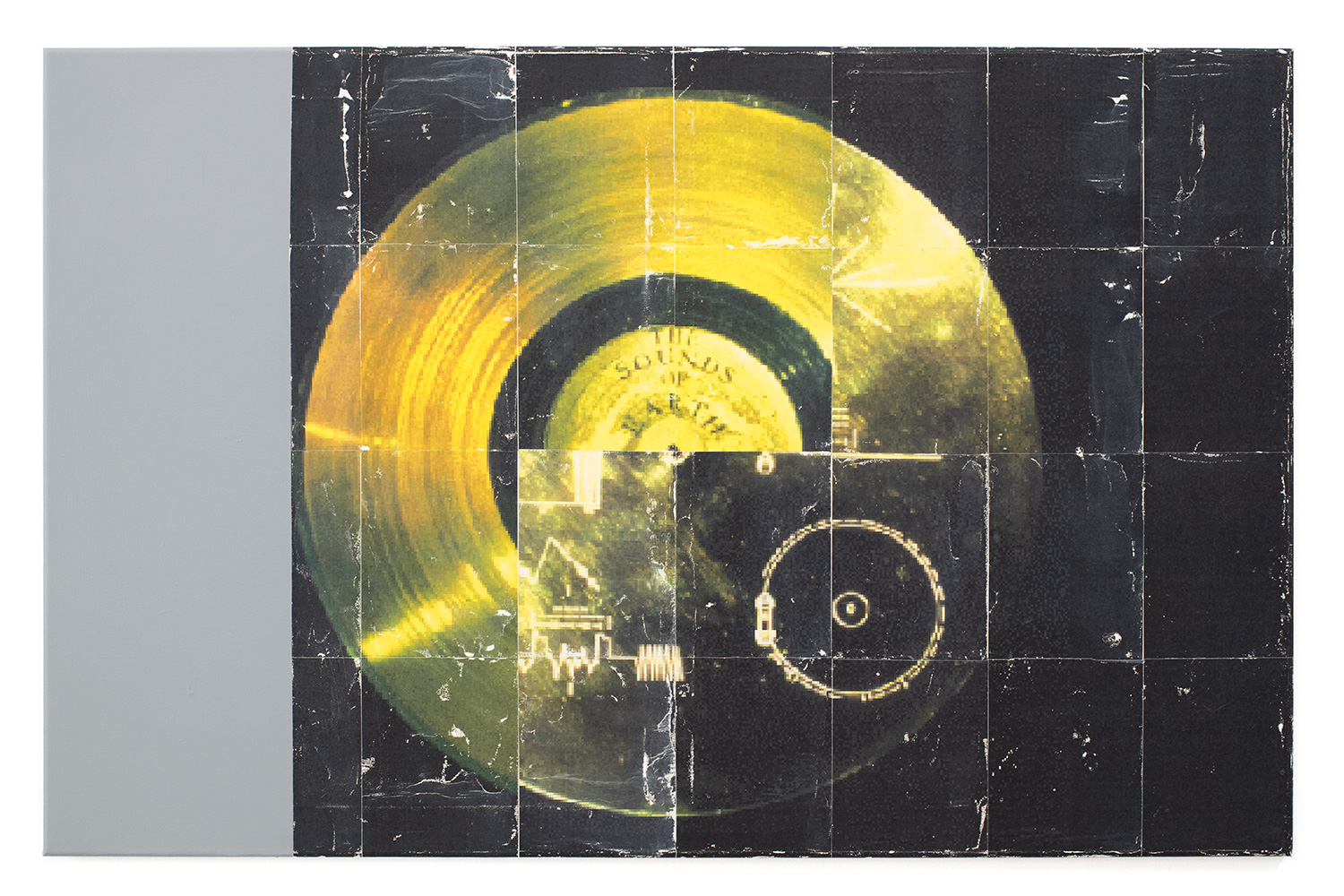
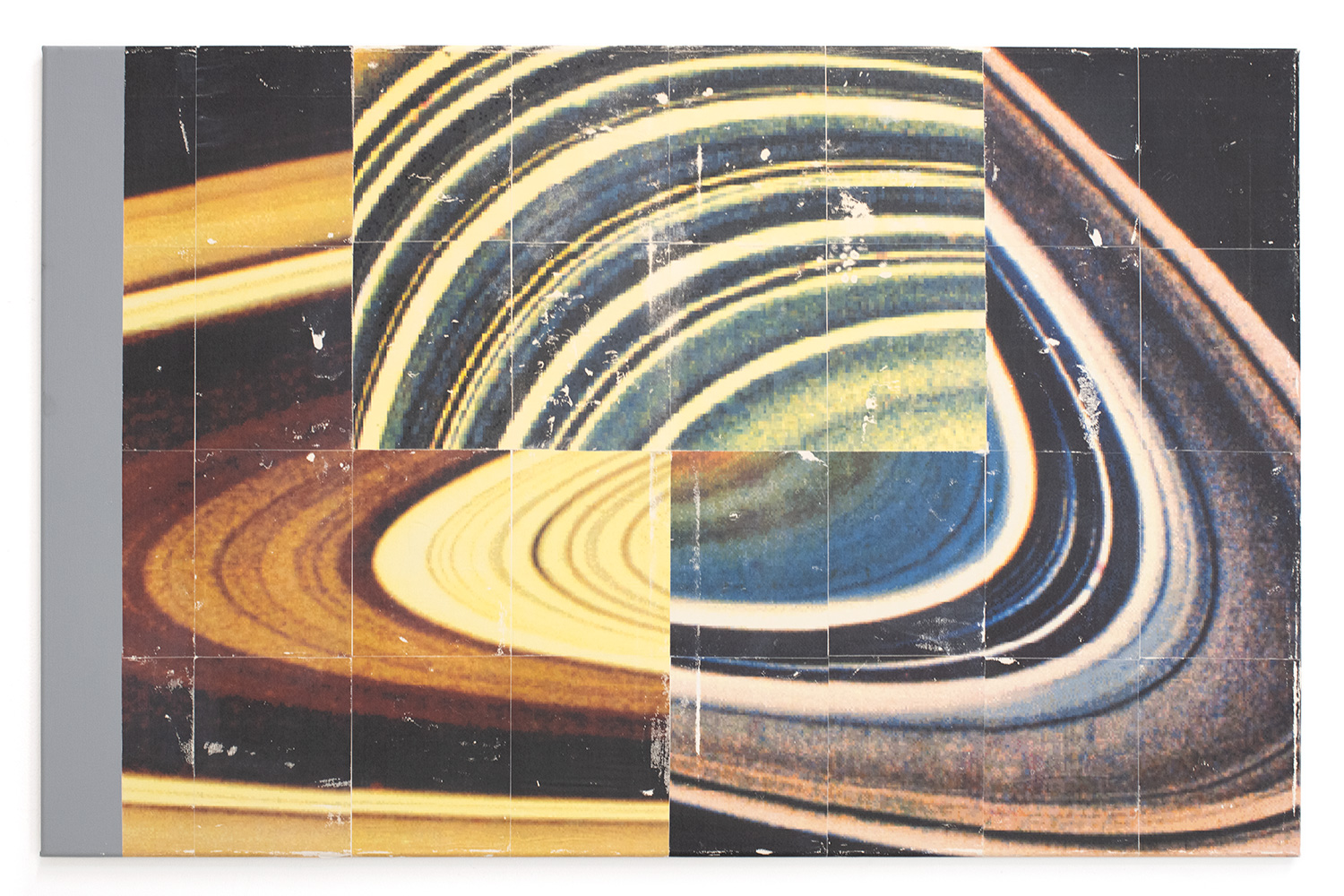
| In 1989, humanity celebrated several milestones: while the ”Second Summer of Love” propelled rave culture into the mainstream, the fall of the Berlin Wall entered history as a symbol of freedom and the end of the Cold War. At the same time, the space probe Voyager 2 crossed the boundaries of our solar system, disappearing into distances beyond human comprehension. Launched in 1977 and carrying the Golden Record – a collection intended to communicate humanity’s achievements – Voyager was sent into space as a message to extraterrestrial life, meant to outlast humanity itself and serve as evidence of our existence and accomplishments. Yet this gesture also reveals a somewhat naïve anthropocentric assumption: that our semantic systems would be universally readable. These parallel historical developments find their way into the work of Mark Fridvalszki, who painterly reinterprets the Voyager Golden Record while capturing the spirit of the era. The depiction of the golden disc plays with a nostalgic technological pixel aesthetic reminiscent of the 1990s, while also drawing from the glitchy, DIY visual language of club culture and its fascination with technology and the future. – based on the text by Barnabás Zemlényi-Kovács |
| |
| CCF009-10.BMP (The Voyager Legacy, 1995), 2025, pigment transfer, acrylic on canvas, 65x100 cm |
 |
| |
| CCF024-25-26.BMP (The Voyager Legacy, 1995), 2025, pigment transfer, acrylic on canvas, 65x100 cm |
 |
| |
| ↑Top |
© Mark Fridvalszki 2016–2026 |